
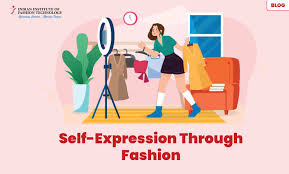
Fashion is far more than the clothes we wear—it is a language, a mirror of who we are, and a powerful tool for self-expression. Across cultures and generations, people have used fashion to communicate identity, express emotions, and define their place within society. Whether subtle or bold, every outfit carries meaning. In today’s interconnected world, where individuality is celebrated more than ever, the relationship between fashion and identity has become even more significant. Understanding this connection allows us to see fashion not only as aesthetics, but as one of the most personal forms of storytelling.
Fashion as a Visual Voice
Before we speak a single word, our clothing communicates something about us. Fashion serves as a visual voice, revealing our personality, lifestyle, values, and even our mood. An outfit can project confidence, creativity, rebellion, elegance, or simplicity. Someone who wears bright, experimental pieces may appear expressive and adventurous, while someone drawn to clean lines and minimal tones may be perceived as calm and disciplined.
This silent communication is powerful because it influences how others perceive us—and how we perceive ourselves. Studies have shown that dressing a certain way can actually shift our mindset. Wearing formal clothes, for instance, can increase confidence and mental sharpness, while comfortable garments may foster relaxation. Our fashion choices shape our inner world just as much as they shape others’ impressions.
Cultural Identity and Heritage Through Clothing
Fashion also plays a vital role in representing cultural identity. Traditional garments serve as symbols of heritage, reflecting history, community values, and shared traditions. For example, the Japanese kimono, the Indian sari, the African kente cloth, and the Middle Eastern abaya are more than clothing—they are cultural treasures preserved through generations.
In the modern globalized world, many people blend traditional elements with contemporary fashion. This hybrid style allows them to express pride in their roots while adapting to modern environments. Young designers across the globe are reimagining cultural garments through modern silhouettes, proving that heritage can evolve without losing its essence.
For individuals living far from their home countries, wearing cultural clothing becomes a comforting reminder of identity, offering a sense of belonging in unfamiliar spaces. Fashion, in this sense, becomes a bridge between past and present.
Fashion as Personal Empowerment
Clothing holds an emotional power that extends beyond style. It can act as armor, motivation, or liberation. Fashion empowers individuals to reclaim their narratives and challenge expectations. For many, dressing in a way that feels authentic—even if it breaks norms—is an act of self-affirmation.
Consider communities that have historically used fashion to push for social change. Punk culture used ripped clothes and unconventional styling to reject societal rules. The LGBTQ+ community has long used fashion as a symbol of pride and resistance. Today, gender-neutral and gender-fluid clothing challenge traditional norms, empowering people to express their identity freely without restriction.
When individuals feel seen and respected in the way they choose to dress, fashion becomes a form of personal freedom.
The Role of Subcultures in Shaping Identity
Subcultures have always influenced the relationship between fashion and identity. Goth, hip-hop, skate, punk, and high-fashion subcultures each have distinct aesthetics that create a sense of belonging. Members use clothing to signal shared values, music preferences, and lifestyle choices.
These groups demonstrate that fashion is not only personal—it is social. Wearing specific styles connects individuals to communities where they feel understood. In many cases, the clothing becomes a badge of membership, offering emotional security and solidarity.
Digital Identity: Fashion in the Virtual Space
In the digital age, fashion extends far beyond physical garments. Online avatars, social media, and virtual platforms allow individuals to express identity in ways that break physical limitations. People curate online styles that represent aspirational versions of themselves or explore aesthetics they may not feel comfortable wearing in real life.
Digital fashion—AI-generated outfits, virtual clothing, and avatar styling—has opened new possibilities for identity exploration. It proves that self-expression is evolving alongside technology, creating a space where individuality can flourish without boundaries.
The Psychology Behind Personal Style
Personal style choices are shaped by deeper psychological factors: upbringing, environment, emotional experiences, and core beliefs. Fashion allows individuals to express:
-
Personality (introverted, bold, creative, minimalist)
-
Emotional state (confidence, nostalgia, joy, rebellion)
-
Social role (professional identity, lifestyle)
-
Aspirations (how they want to be perceived)
The garments we choose often reflect how we see ourselves—or how we want to grow. This explains why many people experience style “evolutions” during major life transitions, such as starting a new job, moving to a new city, or entering a new phase of self-confidence.
Fashion as an Ongoing Journey of Self-Discovery
Ultimately, fashion is a lifelong journey, not a destination. As individuals grow, their tastes evolve. What we wear at twenty may not reflect who we are at thirty or forty. These changes are natural—they represent inner growth and shifting identity.
Fashion gives us the freedom to experiment, redefine ourselves, and celebrate our individuality. It is one of the few art forms we engage with every single day, making it an intimate and meaningful part of our identity.
Fashion is a powerful expression of identity. It communicates our personality, heritage, emotions, and values in ways that words cannot. Whether bold or understated, traditional or modern, fashion allows us to tell our story—visually, confidently, and authentically. In a world where individuality is increasingly valued, personal style remains one of the most expressive tools we have for defining who we are and who we aspire to be.