
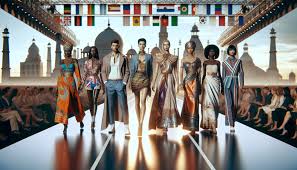
Globalization has reshaped nearly every aspect of modern life, but few industries have felt its impact as deeply as fashion. The exchange of ideas, cultures, technologies, and markets across borders has created a dynamic fashion landscape that is more interconnected than ever before. Today’s clothing trends are no longer confined to specific regions; instead, they are shaped by a global web of influences, collaborations, and consumer demands. Understanding how globalization transformed fashion allows us to appreciate the diversity and creativity that define the industry today.
The Cross-Cultural Exchange That Redefined Style
Before globalization, fashion was largely local. Each region developed its own styles, textiles, and traditions influenced by local climate, history, and culture. However, the rapid expansion of international travel, trade, and communication has blurred these boundaries. Styles that were once deeply rooted in specific communities now flow across continents, inspiring designers and consumers everywhere.
For example, the popularity of Japanese streetwear—known for its bold graphics, oversized silhouettes, and experimental layering—has influenced luxury brands in Europe and America. Meanwhile, Indian embroidery techniques, African prints, Middle Eastern abayas, and South American woven textiles have found their place in global fashion markets. This exchange of ideas has enriched fashion by introducing new materials, patterns, and aesthetics.
Designers now draw inspiration from global cultures, creating collections that blend traditional elements with contemporary design. This cultural fusion has become a defining characteristic of modern style.
Fast Fashion and the Acceleration of Trends
Another major change brought by globalization is the emergence of fast fashion. Brands like Zara, H&M, and Uniqlo produce clothing rapidly and at scale, making global trends accessible to consumers worldwide. Advances in manufacturing and logistics allow collections to move from runway concepts to store shelves in a matter of weeks.
While this accelerated cycle brings affordable fashion to millions, it also raises concerns about sustainability and cultural homogenization. Many argue that fast fashion dilutes local traditions by encouraging people to wear the same globally popular styles. Even so, the influence of regional trends is still visible—fast fashion brands constantly adapt designs based on inspiration from street style in cities like Seoul, Paris, New York, and Lagos.
The result is a fashion marketplace defined by rapid change and global demand, where trends spread quickly and widely.
Social Media: The Global Fashion Connector
Social media has played a key role in globalizing fashion. Platforms like Instagram, TikTok, and Pinterest allow people from all over the world to share their outfits, cultural garments, and style interpretations. A trend that begins in one country can go viral globally within hours.
Korean fashion, for instance, gained enormous visibility through K-pop idols and influencers. Similarly, the rise of African fashion designers on social media has pushed traditional prints and modern interpretations of African heritage into the international spotlight.
Fashion weeks are no longer exclusive events for insiders; live streams and digital content make them accessible to global audiences. This visibility fuels inspiration and encourages cultural appreciation across borders.
The Global Supply Chain: Fashion With No Borders
Globalization also changed how clothing is produced. The modern fashion supply chain spans multiple continents—designers might work in Europe, fabrics might be sourced in Asia, and manufacturing might take place in South America. This interconnected process enables brands to scale production while maintaining competitive prices.
However, the global supply chain has its challenges. Workers’ rights, fair wages, and environmental impacts are major concerns. As awareness grows, consumers increasingly demand transparency and ethical practices from brands. Some companies are responding by investing in fair trade, sustainable materials, and eco-conscious production techniques.
The globalization of production has allowed fashion to expand rapidly, but it also sparked a movement toward more responsible consumption.
Cultural Appreciation vs. Appropriation
As global influences mix, the line between cultural appreciation and cultural appropriation becomes a crucial topic. Appreciation involves honoring and respecting a culture’s heritage, while appropriation occurs when traditional elements are used without understanding their significance.
For example, indigenous patterns, ceremonial garments, and religious symbols have deep cultural meaning. When used solely for aesthetic purposes without context, they can be seen as exploitative. Designers are learning to collaborate directly with artisans, credit source cultures, and acknowledge the history behind their inspirations.
This shift promotes ethical creativity and supports the communities that keep traditional craftsmanship alive.
A More Diverse and Inclusive Fashion World
One of the most positive outcomes of globalization is the rise of diversity in fashion. Models, designers, and influencers from various backgrounds now play prominent roles in shaping global style. Fashion runways showcase a wider range of body types, skin tones, and cultural identities, reflecting the world’s diversity.
Globalization has opened doors for emerging designers, allowing them to share their heritage with international audiences. African designers, South Asian couturiers, Middle Eastern fashion houses, and Indigenous artisans are gaining recognition in global markets.
This inclusivity fosters a richer and more authentic representation of global culture.
A Future Built on Collaboration and Cultural Respect
Globalization has transformed fashion into a collaborative, multicultural industry where ideas travel freely and inspiration comes from every corner of the world. While challenges remain—especially regarding sustainability and cultural sensitivity—the global exchange of fashion continues to inspire innovation, creativity, and connection.
As consumers grow more conscious and designers increasingly value ethical collaboration, the future of fashion will likely blend global influence with local authenticity. In this new era of interconnected creativity, fashion becomes a universal language that celebrates both individuality and cultural diversity.