
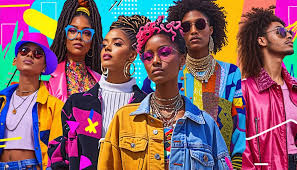
Fashion has always been an evolving form of expression, shifting with each generation as new cultural values and social movements emerge. Yet, no generation has transformed fashion norms as boldly and rapidly as Gen Z. Born roughly between the late 1990s and early 2010s, Gen Z grew up in a digitally connected world, exposed to global trends, diverse identities, and pressing environmental concerns. This has shaped their perception of fashion into something far more personal, expressive, and ethically aligned than any previous generation. Rather than seeing clothing as something dictated by trends, seasons, or rigid categories like “men’s” and “women’s,” Gen Z treats fashion as a canvas—one that celebrates individuality, creativity, inclusivity, and responsibility.
One of the most striking ways Gen Z is reshaping fashion norms is through bold color choices and experimental styling. While earlier generations often followed the conservative rulebook—neutral tones for daily wear, classic silhouettes, and predictable accessories—Gen Z embraces color in a fearless way. Bright neons, clashing hues, gradient palettes, and unconventional combinations appear across their wardrobes. For them, color is a tool of self-expression. Wearing purple cargo pants with a lime green jacket or pairing bubblegum pink with electric blue is not about following trends but about creating personal statements. This unapologetic approach challenges the idea that fashion must be “polished” or “coordinated” to be stylish. In Gen Z’s world, the boldest choices often become the most celebrated looks.
Another key characteristic of Gen Z’s fashion revolution is their commitment to sustainability. While previous generations, especially millennials, began raising awareness around eco-friendly practices, Gen Z has taken the movement to a new level. They are deeply concerned about climate change, overproduction, waste, and unethical labor practices. As a result, they are far more selective about where their clothes come from—and where they end up.
This shift has driven a surge in secondhand shopping, thrifting, upcycling, and slow fashion support. Platforms like Depop, Poshmark, and ThredUp have exploded in popularity because they align with Gen Z’s values of reuse and circularity. Vintage clothing has become not only ethical but stylish, as each piece carries history and uniqueness. Upcycling—turning old garments into something new—has also become a creative outlet. Young designers and everyday consumers alike experiment by cutting, patching, dyeing, or reconstructing old clothes into fresh designs.
Beyond thrifting, Gen Z also seeks transparency from brands. They follow labels that prioritize fair wages, eco-friendly materials, and low-impact production. They question brands that greenwash or exploit workers and are willing to boycott companies that do not align with their beliefs. This new level of scrutiny forces fashion brands to rethink their practices, making sustainability a growing industry standard rather than an optional niche.
However, perhaps the most transformative aspect of Gen Z fashion is their embrace of gender fluidity. Traditionally, clothing has been rigidly categorized as “menswear” and “womenswear,” dictating how people are expected to dress based on gender. Gen Z firmly rejects these rules. To them, clothing has no gender—it is simply fabric, color, and shape. This shift has resulted in a fashion culture where skirts, nail polish, crop tops, pearls, and makeup are worn by people of all genders without hesitation.
Celebrities and influencers such as Harry Styles, Jaden Smith, and countless gender-nonconforming creators on TikTok have helped fuel this movement by showcasing how freeing and expressive gender-fluid fashion can be. Yet the shift is not only led by public figures. Everyday Gen Z individuals experiment with androgynous silhouettes, genderless accessories, and pieces traditionally “reserved” for the opposite gender. They prioritize self-expression over traditional masculinity or femininity and choose clothing that matches their mood, identity, or aesthetic rather than conforming to outdated norms.
In addition to breaking gender boundaries, Gen Z also redefines body norms through their fashion choices. They celebrate diverse body shapes and sizes, challenge unrealistic standards, and promote styles that prioritize comfort as much as appearance. Oversized silhouettes, loose-fitting garments, genderless cuts, and adaptable clothing systems have become staples of their wardrobes.
Through bold colors, sustainability, and gender inclusivity, Gen Z is not just redefining fashion—they are deconstructing the very rules that once shaped it. Their approach reflects a world that values freedom, creativity, ethics, and identity over conformity. As brands continue adapting to this new mindset, the influence of Gen Z will shape the fashion landscape for decades to come.