
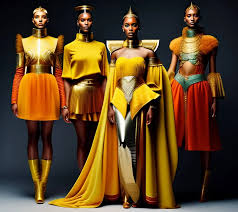
Fashion is often seen as a reflection of time, culture, and identity. While modern trends evolve with technology, media, and global markets, the foundation of many contemporary designs can be traced back to centuries-old traditions. Around the world, cultural textiles, indigenous craftsmanship, and ancestral artistry continue to shape the creative visions of today’s designers. This dynamic blending of old and new not only enriches the fashion industry but also helps preserve cultural heritage in an increasingly globalized world.
One of the most powerful aspects of cultural fashion is the history embedded in traditional textiles. Fabrics such as Indonesian batik, Indian sari silk, Japanese kimono textiles, West African kente, and Peruvian alpaca weaves are more than just visually striking—they represent stories, rituals, customs, and local identities. Each pattern, dye technique, and weaving method carries meaning rooted in community life. Modern designers often draw inspiration from these textiles because they offer depth and authenticity that mass-produced fabrics cannot replicate.
For example, batik’s intricate wax-resist patterns have inspired countless global runways, from haute couture collections to ready-to-wear pieces. Similarly, kente’s bold geometric shapes and vibrant colors have influenced streetwear brands aiming to infuse cultural significance into contemporary silhouettes. Designers recognize that traditional textiles carry emotional value and cultural symbolism, making them a powerful storytelling tool in modern fashion.
Beyond the materials themselves, traditional craftsmanship techniques play a significant role in shaping global design trends. Hand embroidery, beadwork, block printing, natural dyeing, and hand weaving are all techniques passed down across generations. These methods require patience, precision, and artistic intuition—qualities that contrast sharply with the speed-driven model of fast fashion.
Modern designers increasingly celebrate these handcrafted elements as luxury hallmarks. Instead of relying purely on machine-made production, many brands collaborate with artisans around the world to incorporate their expertise into modern collections. These collaborations not only elevate the uniqueness of the garments but also support local communities, helping preserve endangered craft traditions.
In India, for instance, the handloom industry employs millions of artisans who produce exquisite fabrics like Banarasi silk and khadi cotton. In Mexico, traditional Otomi embroidery and Oaxacan weaving techniques have gained international recognition through partnerships with global fashion houses. By embracing these techniques, designers help keep cultural artistry alive while reimagining it for a contemporary audience.
The rise of cultural fashion in modern design also reflects a broader shift in consumer values. Today’s shoppers—especially younger generations—seek clothing that holds meaning, supports ethical practices, and celebrates diversity. As a result, designers who integrate cultural elements responsibly often receive praise for their authenticity and craftsmanship. However, this growing appreciation raises an important conversation about cultural appreciation versus cultural appropriation.
True appreciation involves collaborating with artisans, giving proper credit, and ensuring fair compensation; appropriation, on the other hand, occurs when designers use cultural motifs without understanding or respecting their origins. The fashion industry has become increasingly aware of this distinction. Many designers now prioritize transparency, cultural sensitivity, and ethical sourcing to ensure that their inspiration honors the communities it comes from.
Another major influence of cultural fashion is the rise of fusion styles—hybrid designs that blend traditional elements with modern aesthetics. These fusion styles are popular worldwide, allowing people to celebrate cultural identity while embracing contemporary trends. For instance, modern qipaos feature updated silhouettes and fabrics while still referencing traditional Chinese elegance. African-inspired prints appear in tailored blazers, luxury handbags, and high-fashion gowns. Japanese streetwear often incorporates kimono sleeves and obi-inspired belts in minimalist urban outfits.
This blending of cultural and modern elements has created a globalized yet diverse fashion landscape, where boundaries between cultures are increasingly fluid. Designers celebrate the richness of global artistry while using innovation to keep these traditions relevant for the future.
Ultimately, the influence of cultural fashion on modern designers underscores a powerful truth: tradition is not a limitation but a source of endless inspiration. In a world where fashion can sometimes seem fast, repetitive, or commercialized, cultural artistry brings soul, meaning, and heritage back into the creative process. Through the revival and reinterpretation of traditional textiles and techniques, modern designers not only enrich their designs but also help protect cultural legacies for generations to come.