
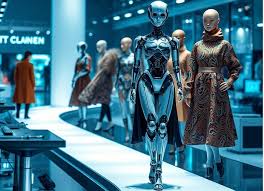
Digital fashion has rapidly evolved from a futuristic concept into a powerful force reshaping the global fashion industry. What began as experimental 3D designs and virtual outfits has now grown into a multibillion-dollar ecosystem that merges technology, creativity, and culture. As fashion increasingly blends with virtual worlds, augmented reality, and artificial intelligence, consumers are experiencing style in ways that were unimaginable just a decade ago. The rise of digital fashion is not just a trend—it is a transformation redefining how we design, buy, wear, and interact with clothing.
From Physical to Pixel: How Digital Fashion Emerged
Digital fashion initially emerged from the growing demand for virtual customization in gaming and online communities. Designers experimented with 3D modeling software to create clothing exclusively worn in digital environments. However, the movement gained global traction when social media influencers, digital artists, and fashion houses started using virtual designs for content creation and marketing.
Today, digital clothing is not limited to niche communities. Luxury brands, fast-fashion companies, tech giants, and digital-first designers are investing heavily in this space. The increasing sophistication of 3D design tools and the popularity of avatars in virtual worlds have accelerated the need for digital wardrobes. In many ways, digital fashion mirrors the transition from physical media to streaming platforms—offering limitless potential for creativity without the constraints of traditional manufacturing.
Virtual Runways: A New Era of Fashion Shows
One of the biggest shifts driven by digital fashion is the rise of virtual runways. During the global pandemic, when physical events were restricted, designers adopted digital presentations—often blending animation, CGI, and fantasy environments—to showcase their collections. The results were stunning and imaginative: floating models, gravity-defying fabrics, and immersive storytelling that traditional catwalks could never achieve.
Even after the return of physical shows, virtual runways remain a major component of fashion events. They allow brands to reach global audiences instantly, reduce production costs, and experiment with bold, futuristic concepts. Digital fashion shows also democratize access, enabling anyone with an internet connection to experience high-end fashion without geographical limitations.
AI as the New Designer
Artificial intelligence has become one of the most revolutionary tools in digital fashion. AI-driven programs can analyze trends, generate patterns, suggest color combinations, and even design entire outfits from scratch. These systems learn from huge datasets of fashion images, runway shows, and consumer preferences.
AI-generated garments are redefining creativity by blending human imagination with machine intelligence. Designers can explore infinite variations, speed up their workflow, and experiment without the limitations of physical materials. Some brands now use AI for full-scale digital collections, while independent creators leverage it to build portfolios that stand out in a rapidly shifting industry.
Beyond design, AI plays an important role in customization and personalization. Virtual try-on apps use machine learning to map clothing onto a user’s body, allowing shoppers to see how an outfit fits before buying. This reduces returns, increases customer confidence, and makes online shopping more interactive.
Fashion in the Metaverse
The metaverse—a network of virtual worlds where users socialize, work, and play—has become a key driver of digital fashion’s popularity. Avatars require clothing, and consumers increasingly invest in high-quality digital items to express identity in virtual spaces. Unlike traditional video game skins, digital fashion in the metaverse often mirrors real-world trends and is designed by professional fashion houses.
Brands such as Gucci, Balenciaga, and Nike have launched digital collections, virtual stores, and interactive experiences inside metaverse platforms. Some digital garments are even more expensive than their physical counterparts, driven by rarity and status value. The ability to “wear” fashion across multiple platforms will likely become a major element of future virtual identities.
Sustainability Through Digital Innovation
One of the most promising aspects of digital fashion is its potential to address sustainability challenges. Traditional fashion manufacturing consumes massive resources and generates significant waste. Digital fashion, in contrast, requires no fabric, water, dyes, or transportation. It offers a low-impact alternative for content creators, influencers, and brands that want to reduce sample waste or produce collections more responsibly.
Digital prototyping also helps companies visualize garments without physical samples, significantly cutting down material consumption. As sustainability becomes a global priority, digital fashion provides a practical path forward for both designers and consumers.
The Future: A Hybrid Fashion World
Digital fashion will not replace physical clothing, but it will coexist alongside it. The future likely lies in hybrid fashion—where physical garments have digital twins, and consumers use AR or VR to experience clothing beyond its physical form. Personal identities will evolve to include both physical and digital style, offering new dimensions of self-expression.
As technology advances, digital fashion will become even more immersive, realistic, and accessible. What we are witnessing today is only the beginning of a revolution that will redefine the boundaries of creativity, commerce, and culture. The rise of digital fashion marks a new chapter in the story of style—one that empowers imagination and pushes fashion into the next era.