
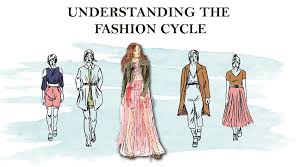
Fashion has always existed in a cycle—constantly moving between what’s new, what’s forgotten, and what eventually becomes classic. In today’s hyperconnected digital world, however, the life cycle of trends has accelerated at an unprecedented pace. What was once fashionable for years may now last only weeks, while certain timeless styles continue to remain relevant despite rapidly changing cultural and technological influences. Understanding the relationship between timeless and trendy fashion reveals how digital culture, consumer behavior, and global connectivity shape what we choose to wear.
The Fast-Paced Rise of Trendy Fashion
Trendy fashion refers to clothing, accessories, or aesthetics that gain popularity quickly and spread widely, usually driven by social media, celebrities, and global marketing. In the past, trends evolved gradually—runway shows set the tone, magazines reported them, and people adopted them over seasons. Today, that timeline is compressed dramatically.
The digital age has turned fashion trends into viral phenomena. Platforms like TikTok, Instagram, and Pinterest have become visual engines that push new aesthetics into mainstream consciousness overnight. One viral post, influencer outfit, or celebrity streetwear moment is enough to create an international movement.
Why Trends Spread Faster Today
Several forces contribute to the rapid rise of trendy fashion:
-
Influencer Culture
Influencers act as modern style leaders. Their outfits, hauls, and lookbooks reach millions instantly, encouraging followers to replicate what they see. -
Algorithm-Driven Visibility
Social media platforms amplify content that gains engagement quickly. Aesthetic trends like “clean girl,” “soft boy,” or “barbiecore” can dominate feeds in days. -
Fast Fashion Production
Brands can design, produce, and ship new styles in a matter of weeks, making trend adoption easier and more affordable. -
Global Accessibility
Fashion inspiration is no longer local; anyone with a smartphone can access global fashion communities and participate in trends.
While these factors create excitement and a sense of participation, they also shorten the lifespan of trends significantly.
The Ephemeral Nature of Trendy Pieces
Trendy fashion tends to follow a predictable life cycle: introduction, rise, peak, decline, and obsolescence. In the fast fashion era, this cycle can happen in as little as 30–90 days.
For example:
-
Chunky sneakers rose to global fame in 2018 and faded by 2021.
-
Micro-bags became viral, then quickly impractical.
-
Y2K fashion resurfaced dramatically but is already evolving into new variations.
Trendy pieces are designed to capture attention rather than endure through time. Their appeal usually lies in novelty, aesthetic shock factor, or cultural relevance at a specific moment.
Timeless Fashion: The Enduring Power of Classics
In contrast, timeless fashion features clothing and silhouettes that remain stylish regardless of seasonal changes or viral trends. These include items such as:
-
A well-fitted blazer
-
Classic denim jeans
-
White button-down shirts
-
Little black dresses
-
Neutral trench coats
-
Leather loafers
-
Quality knitwear
These pieces endure because they are built on principles of balance, versatility, craftsmanship, and simplicity. They transcend specific eras and complement a wide range of personal styles.
Why Timeless Fashion Endures
-
Versatility
Timeless pieces adapt easily to different occasions, seasons, and moods. -
Neutrality in Design
They avoid bold patterns or extreme silhouettes that date quickly. -
Quality Over Quantity
Better materials and tailoring contribute to longer wearability. -
Cultural Longevity
Some styles, such as the tailored suit or the minimalist dress, have been iconic for decades, if not centuries.
The rise of sustainability and conscious consumerism has further elevated timeless fashion. More people now prefer to invest in high-quality basics that reduce waste and offer long-term value.
How the Digital Age Blurs the Line Between Timeless and Trendy
While timeless and trendy fashion once existed separately, the digital age has created an interesting overlap. Influencers often pair classic pieces with trendy ones, creating hybrid aesthetics. A timeless blazer may be styled with viral accessories. Classic denim may be paired with seasonal tops. This fusion makes fashion more dynamic and allows individuals to express their personality more creatively.
Moreover, social media doesn’t only promote fast trends—it also revives timeless classics. Vintage fashion, old-money style, minimalist aesthetics, and quiet luxury have all surged because digital communities appreciate their elegance and sustainability.
Finding Balance: Building a Wardrobe That Lasts
To navigate today’s fashion landscape, many people choose a balanced approach: incorporating timeless pieces as the foundation of their wardrobe while occasionally adding trendy items for freshness.
Smart Wardrobe Strategy
-
Invest in quality basics with long-term value.
-
Add trend-driven accessories or seasonal pieces sparingly.
-
Prioritize fit, comfort, and versatility.
-
Follow trends selectively—choose only those that match your personal identity.
-
Focus on sustainability to reduce waste and encourage mindful fashion choices.
This balanced method ensures personal style remains relevant, expressive, and environmentally responsible.
Conclusion: Fashion in the Digital Age
The digital era has transformed fashion into a fast-moving global conversation, but the contrast between timeless and trendy styles remains essential. Trends offer excitement and cultural relevance, while timeless fashion provides stability and longevity. Understanding the life cycle of fashion trends helps individuals make smarter choices—creating wardrobes that reflect both the moment and their enduring sense of style.