
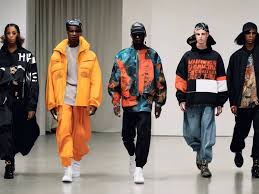
For decades, luxury fashion and streetwear existed in separate universes—one rooted in exclusivity and craftsmanship, the other in urban youth culture and everyday practicality. Yet today, streetwear sits confidently at the center of luxury fashion, defining runway trends, shaping brand identities, and commanding premium prices. This unprecedented shift didn’t happen overnight. It was the result of cultural breakthroughs, bold collaborations, and a new generation’s influence on what fashion means. Understanding how streetwear transformed into luxury reveals one of the most significant evolutions in modern style.
The Roots of Streetwear: Culture, Rebellion, and Identity
Streetwear emerged in the late 20th century from a mixture of subcultures—skateboarding, hip-hop, surf culture, and punk movements. Unlike traditional high-end fashion, streetwear was never about elitism. Instead, it represented creativity, authenticity, and a sense of belonging.
Key elements of early streetwear included:
-
Graphic T-shirts
-
Oversized hoodies
-
Skate sneakers
-
Loose-fit denim
-
DIY-inspired designs
Brands like Stüssy, Supreme, and A Bathing Ape built loyal communities by offering limited drops, distinct aesthetics, and a strong cultural voice. These early pioneers created the foundation of a movement that spoke directly to youth who valued expression over conformity.
The Rise of Hype Culture and Limited Drops
Streetwear’s shift into luxury began with scarcity. Supreme perfected the “drop model,” releasing small quantities of products on specific dates, creating long lines and immediate sellouts. This method turned everyday garments into highly coveted collector items.
Scarcity became a form of luxury.
As resale prices soared—sometimes 10× the retail value—streetwear gained an aura of exclusivity similar to high-end fashion houses. Limited-edition sneakers, collaborations, and rare pieces became cultural currency, especially among younger consumers who valued uniqueness over tradition.
The Influence of Hip-Hop and Celebrity Culture
Hip-hop artists played a monumental role in merging streetwear with luxury. From Run DMC popularizing Adidas in the 1980s to Kanye West, Pharrell Williams, and Rihanna shaping modern fashion, music icons became trendsetters whose influence surpassed traditional marketing.
Luxury brands recognized this power shift.
Instead of distancing themselves from street culture, they embraced it:
-
Louis Vuitton collaborated with Supreme.
-
Chanel embraced sneakers and logo-heavy designs.
-
Dior partnered with Air Jordan for one of the most hyped sneaker releases ever.
-
Gucci incorporated bold graphics and relaxed silhouettes inspired by urban wear.
Celebrities wearing streetwear elevated its status, while luxury houses partnering with cultural icons blurred the boundaries between high fashion and everyday style.
Luxury Houses Enter the Streetwear Era
The true turning point came when luxury brands fully integrated streetwear into their identity—not as a trend, but as a strategy. This was especially visible in their leadership choices.
Virgil Abloh and Louis Vuitton
In 2018, Virgil Abloh became the Artistic Director of Louis Vuitton Men’s, making history as the first Black designer to hold the role. As the founder of Off-White, Abloh brought streetwear principles—irony, industrial staples, casual silhouettes—into the world of heritage luxury. His designs introduced:
-
Oversized fits
-
Bold typographic prints
-
Sneaker-driven collections
-
Gender-fluid pieces
This moment symbolized the official marriage between streetwear and luxury.
Kim Jones at Dior
Kim Jones also played a key role. His collaborations with streetwear icons, including Travis Scott, Stüssy’s Shawn Stussy, and Nike, positioned Dior as one of the most streetwear-friendly luxury houses.
With leaders who understood street culture, luxury fashion began speaking directly to younger audiences.
Gen Z and the Redefinition of Luxury
A new generation accelerated this revolution. For Gen Z and millennials, luxury is not defined by formality or tradition—it is defined by cultural relevance, authenticity, and individuality. They value:
-
Comfortable clothing
-
Unique collaborations
-
Limited-edition items
-
Street-rooted aesthetics
-
Social media expression
As a result, hoodies, sneakers, cargo pants, and graphic tees became central to modern luxury fashion. Comfort and creativity matter more than classic tailoring.
Influencer culture also fueled the phenomenon. When creators showcase streetwear pieces online, they instantly become global trends, driving demand across continents.
Streetwear’s Impact on the Luxury Business Model
Streetwear didn’t just change aesthetics—it changed how the luxury industry operates.
1. Drop Culture
Luxury brands now release capsule collections and timed drops to create hype and exclusivity.
2. Sneaker Luxury Boom
Sneakers, once casual shoes, are now luxury staples with high-end materials and craftsmanship.
3. Casual Couture
Runways have shifted dramatically. It’s now common to see suits styled with sneakers, oversized outerwear, and high-end hoodies.
4. Collaborative Marketing
Designer collaborations with musicians, artists, and street brands have become powerful tools for visibility and revenue.
Streetwear reshaped luxury from a top-down system into a cultural conversation.
Conclusion: A Permanent Shift in Fashion Identity
Streetwear’s transformation into luxury reflects the evolving definitions of fashion, status, and identity in the digital age. What began in skate parks and street corners now influences the world’s most prestigious runways. The movement proves that luxury is no longer confined to formalwear, heritage techniques, or exclusivity by price—it is shaped by community, culture, and creativity.
As long as youth culture continues to evolve, streetwear will remain a driving force in modern fashion, redefining what it means to dress with influence and intention.