
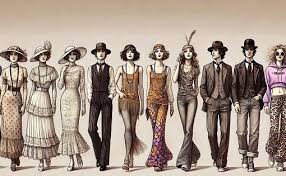
Fashion has always been a dynamic reflection of society—shaped by culture, influenced by technological advancements, and driven by evolving values. Today, the fashion industry is undergoing one of the most transformative periods in its history. Modern style is no longer defined solely by aesthetics; it is molded by social movements, digital innovation, and a growing awareness of environmental responsibility. The evolution of fashion in the 21st century showcases how deeply interconnected these forces have become, ultimately creating a new era of thoughtful, expressive, and future-focused style.
Cultural Influence: A Global Fusion of Identity and Expression
Culture has long been the backbone of fashion, but today’s globalized world has magnified its impact. With the rise of social media and international connectivity, fashion no longer develops within isolated geographic boundaries. Trends now spread across continents in seconds, inspiring cross-cultural blends of textiles, silhouettes, and design philosophies.
Modern fashion embraces diversity more openly than ever before. Traditional garments—from Japanese kimonos to Indian saris and African prints—have influenced contemporary collections by major designers. Streetwear, once associated with specific urban cultures, has transcended its origins to become a worldwide phenomenon. This global exchange of style highlights a shift from uniform trends to personal identity expression.
Consumers now use fashion to communicate who they are, what they believe, and where they come from. The celebration of heritage, body positivity, and individual style has reshaped the fashion narrative from one of conformity to one of authenticity.
Technology: Transforming How Fashion Is Designed, Produced, and Experienced
Technology has become one of the most powerful drivers of modern fashion evolution. Its impact can be seen at every stage of the fashion pipeline—from concept to consumer experience.
1. Digital Design and Virtual Runways
Designers now use advanced software, 3D modeling, and AI-assisted tools to craft concepts faster and more efficiently. Virtual runways and digital fashion shows, accelerated by the pandemic era, have created immersive experiences accessible to a global audience. These innovations reduce production waste and open creative opportunities that were once impossible with physical materials.
2. Smart Fabrics and Wearable Technology
Wearable tech is gaining momentum, blending fashion with function. Smart fabrics that adjust temperature, track health data, or change color are slowly entering mainstream fashion. This shift represents a new dimension where clothing is not just stylish but intelligent.
3. Online Shopping, AR Try-Ons, and Personalization
E-commerce revolutionized retail, and the next wave is even more personal. Augmented reality allows customers to “try on” clothing virtually, improving confidence and reducing returns. AI styling assistants analyze preferences and suggest outfits tailored to each user. These technologies blur the line between digital and physical shopping, creating a seamless experience.
4. The Rise of Digital Clothing
Perhaps the most futuristic development is purely digital fashion—clothing that exists only online for avatars, social media posts, or the metaverse. While still niche, digital fashion challenges traditional ideas of ownership and resource use.
Sustainability: Fashion’s Shift Toward Responsibility
For decades, the fashion industry was criticized for its environmental footprint, but today’s movement toward sustainability marks one of its most significant evolutions. Consumers are increasingly aware of the consequences of fast fashion, demanding transparency and accountability.
1. Eco-Friendly Materials and Circular Design
Brands are turning to organic cotton, recycled polyester, mushroom leather, pineapple fiber, and biodegradable textiles. Circular fashion practices—repairing, repurposing, and recycling—are becoming standard strategies to extend the life cycle of clothing.
2. Ethical Production and Fair Labor
Sustainability is not only environmental; it is also social. More brands are committing to ethical production, fair wages, and safe working conditions. Certifications and supply chain disclosures are helping rebuild trust between companies and consumers.
3. Minimalism and Conscious Consumer Behavior
Modern shoppers are adopting a “buy less, buy better” mindset. Capsule wardrobes, timeless pieces, and slow fashion encourage thoughtful purchasing decisions. This shift in consumer values is pushing the industry to prioritize quality over quantity.
Conclusion: A New Era of Purpose-Driven Style
The evolution of modern fashion is a narrative of cultural celebration, technological innovation, and sustainable transformation. Today’s style landscape reflects a more connected, conscious, and forward-thinking society. Fashion is no longer just about what looks good—it is about what feels meaningful, responsible, and true to one’s identity.
As we move deeper into the future, the industry will continue to evolve, guided by creativity and a collective desire to shape a world where expression, innovation, and sustainability coexist harmoniously.