
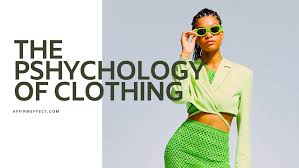
Fashion is often dismissed as superficial, yet what we wear has a profound impact on how we feel, how others perceive us, and even how we behave. Clothing is not just fabric—it is a psychological tool, a form of communication, and a reflection of identity. The psychology of fashion reveals that our outfits quietly express our values, emotions, and personality, while also influencing our confidence and mindset. Understanding this relationship helps us see fashion as not merely aesthetic but deeply meaningful.
Fashion as a Form of Nonverbal Communication
Before we speak, our clothing already communicates. It sends subtle messages about our mood, status, cultural background, and even our intentions. Psychologists refer to this as enclothed cognition—the idea that what we wear affects both our self-perception and how we are perceived by others.
For example:
-
Bright colors often signal energy or approachability.
-
Dark, structured outfits can project authority.
-
Minimalist styles suggest control or simplicity.
-
Playful patterns imply creativity or openness.
Even when we claim not to care about fashion, that very choice communicates something—perhaps practicality, detachment from trends, or a desire for comfort over appearance.
Fashion works as a silent language. It tells a story without a single word.
How Clothing Influences Self-Esteem and Behavior
What we wear doesn’t only influence others—it influences ourselves. Science shows that clothing has the power to shift our mindset.
1. Confidence Boosting
Many people feel more capable or attractive when wearing clothing that fits well, aligns with their identity, or highlights their best features. This is why some people save certain “power outfits” for important occasions.
Wearing a blazer can create a sense of authority.
Putting on athletic wear can make you feel more active.
A structured dress can make someone feel more elegant or poised.
Simply put: the right outfit changes how we carry ourselves.
2. Emotional Regulation
Fashion can be used intentionally to shift mood. Bright colors uplift. Soft fabrics soothe. Bold accessories energize. When people are feeling low, dressing up can be a small but powerful act of self-care.
3. Role Embodiment
When we put on clothing associated with a certain role—such as a uniform, business suit, or athletic gear—we subconsciously adopt behaviors linked to that role. Athletes, professionals, and performers often rely on clothing to mentally prepare for their responsibilities.
Fashion isn’t just external—it shapes internal experiences.
Fashion and Personal Identity
Our outfits are expressions of who we are, what we believe in, and the groups we feel connected to. Identity-driven dressing has grown stronger in the digital age, where social media platforms highlight countless subcultures and aesthetics.
These include:
-
Minimalism
-
Streetwear
-
Vintage and thrift fashion
-
Bohemian style
-
Techwear
-
Luxury and high fashion
Each aesthetic represents values—comfort, rebellion, nostalgia, creativity, or sophistication. When people adopt a style, they are often signaling a connection to those values.
Fashion helps individuals explore identity, experiment with self-expression, and evolve through life changes. It is both a mirror and a canvas.
Social Influence: How Society Shapes What We Wear
Fashion psychology also highlights the powerful role of social influence. Trends are not random; they emerge from collective desires shaped by culture, media, and shared experiences.
1. Group Belonging
People often dress in ways that help them feel part of a group—whether it’s a workplace environment, friend circle, or online community.
2. Cultural and Social Norms
Clothing choices often reflect societal expectations. For instance, formal events require attire that communicates respect. Streetwear dominates youth culture because it reflects freedom and modern identities.
3. Media and Celebrity Impact
Public figures shape the fashion landscape by modeling new aesthetics, influencing how millions of people want to look and feel.
Why Understanding Fashion Psychology Matters
Fashion psychology matters because it enables people to dress with purpose and awareness. It encourages individuals to choose outfits that support their well-being, confidence, and identity.
Practical Benefits Include:
-
Improved self-esteem through intentional dressing.
-
Better first impressions in professional or social contexts.
-
Stronger personal identity through style development.
-
Enhanced emotional balance by selecting mood-supporting outfits.
-
Greater control over how we present ourselves to the world.
When we understand the psychological impact of clothing, fashion becomes far more than trends—it becomes a tool for empowerment.
Conclusion: The Meaning Behind What We Wear
Fashion is a powerful psychological instrument that shapes personal identity, influences behavior, and communicates silently with the world around us. Clothing is an extension of the self; it reflects how we see ourselves and how we want to be seen. As we become more aware of the psychology behind our wardrobe choices, fashion transforms from something we consume into something we use consciously and creatively.